
The Biggest Threats to Commercial Bank Revenue

Commercial banks face growing pressure from fintechs, mobile money, stablecoins and legacy systems. This analysis explains the revenue threats and practical strategies for future growth.
Commercial banks face growing pressure from fintechs, mobile money, stablecoins and legacy systems. This analysis explains the revenue threats and practical strategies for future growth.
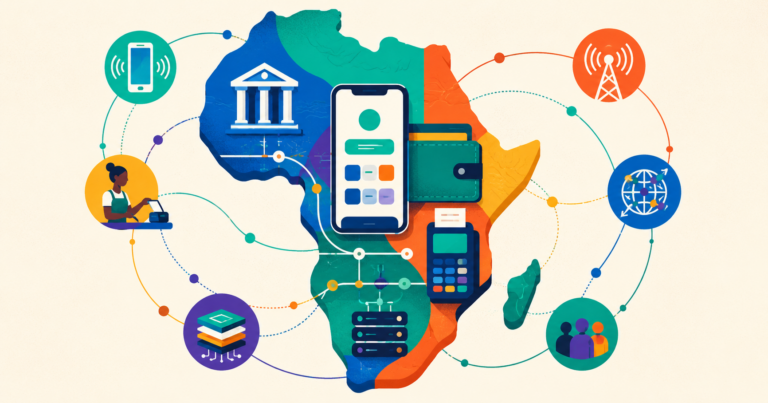
African banks are creating digital businesses that extend beyond ordinary mobile and internet banking.
These propositions can open accounts remotely, hold electronic value, serve people without traditional bank accounts, finance customers, acquire merchants, process payments and support cross-border transfers
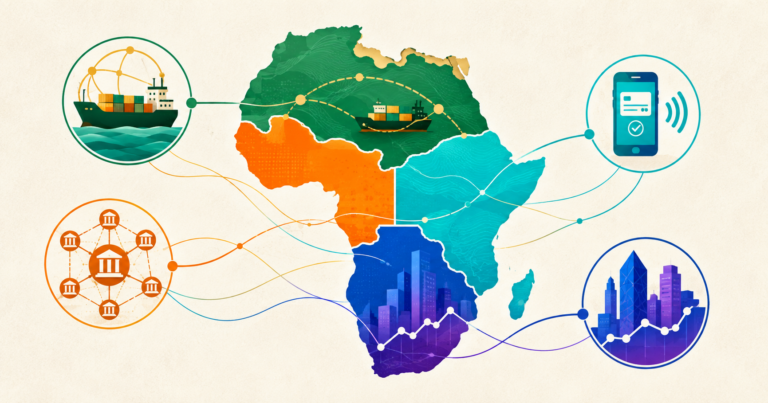
African banks have developed distinct regional strengths. East Africa leads digital retail banking, West Africa delivers scale, Southern Africa leads institutional finance, and North Africa connects the continent to global trade
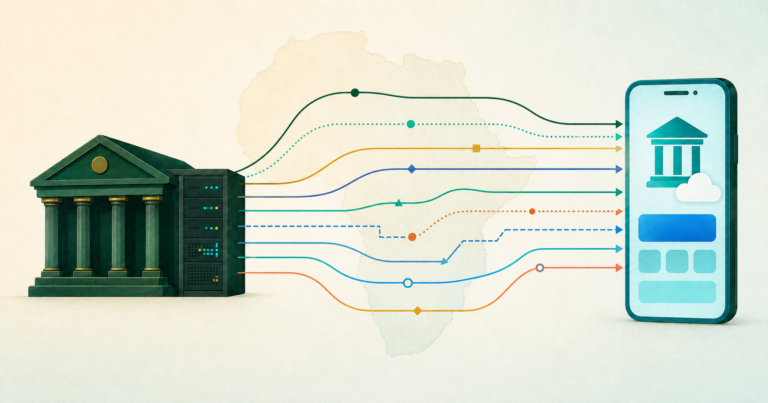
The continent is not moving toward one model of digital finance. It is building ten—often inside the same institution.

A practical guide to fraud architecture, real-time decisioning, investigation workflows, use cases and implementation planning for banks, fintechs, payment firms and microfinance institutions.
Africa keeps building the same plumbing in every market. Shared rails, identity, and standards are the fix. Here is why it matters, what blocks it, and how Brazil, India, and Europe already solved it.
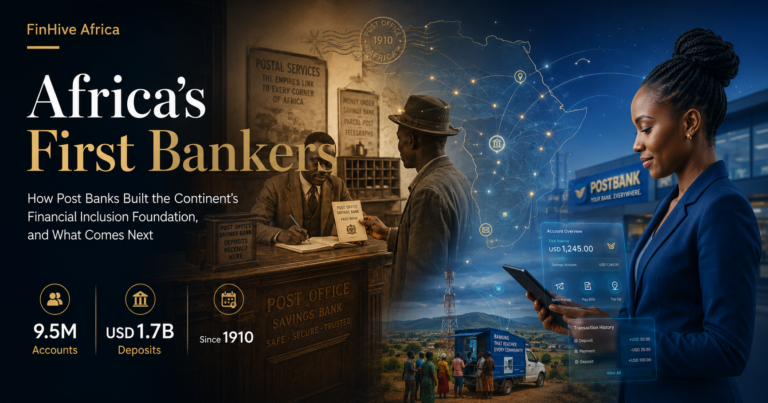
Before M-Pesa, before agent banking, before digital wallets. The post office was the bank. In many African countries, it was the only bank that would take you.
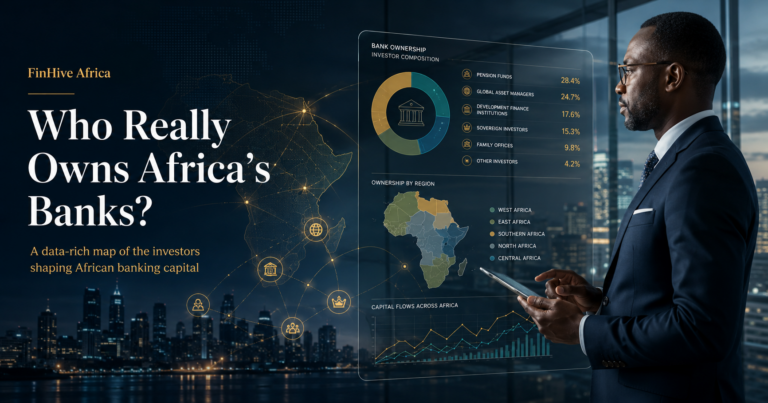
A data-rich map of the investors shaping African banking, from PIC and ICBC to DFIs, index funds and founding families.
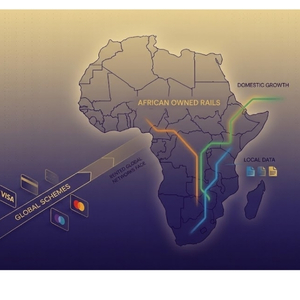
Visa and Mastercard still matter, but Africa’s domestic card schemes are gaining ground as central banks, fintechs and regional institutions push for cheaper, locally controlled payment rails.
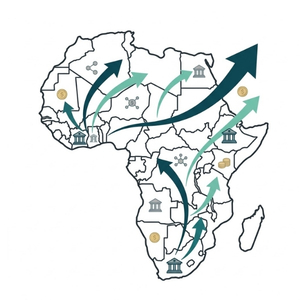
Equity walked into the DRC in 2015 with just 6 percent banked. A decade later, it is the group's second biggest profit engine. Inside the cross-border race reshaping African finance.